

The global hantavirus outbreak highlights one of the most difficult challenges in public health: communicating without creating uncertainty. panic or false confidence. This challenge is particularly difficult during outbreaks caused by rare pathogens, where scientific evidence is limited, historical case numbers are few, and pressure for immediate guidance is strong.
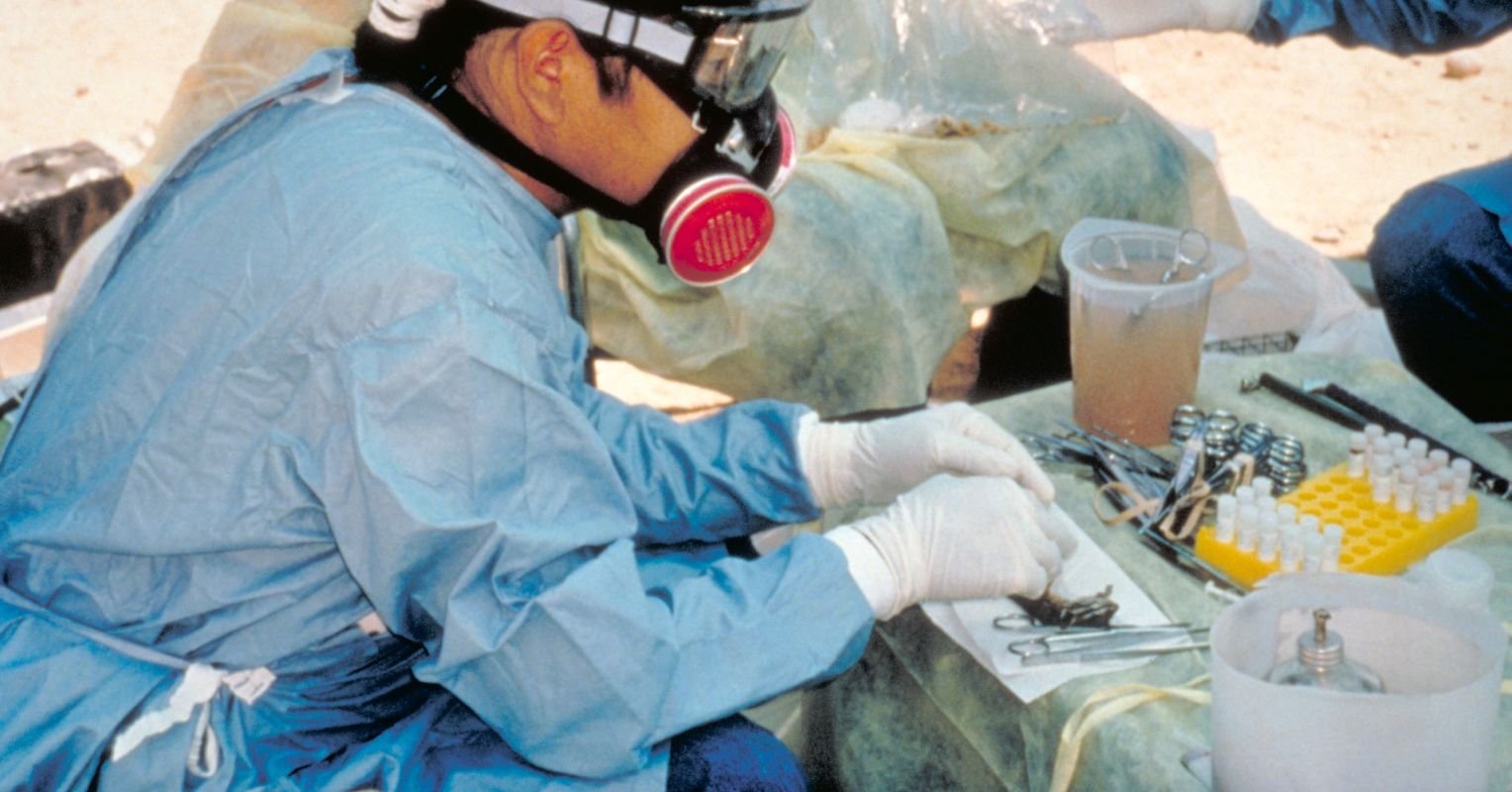
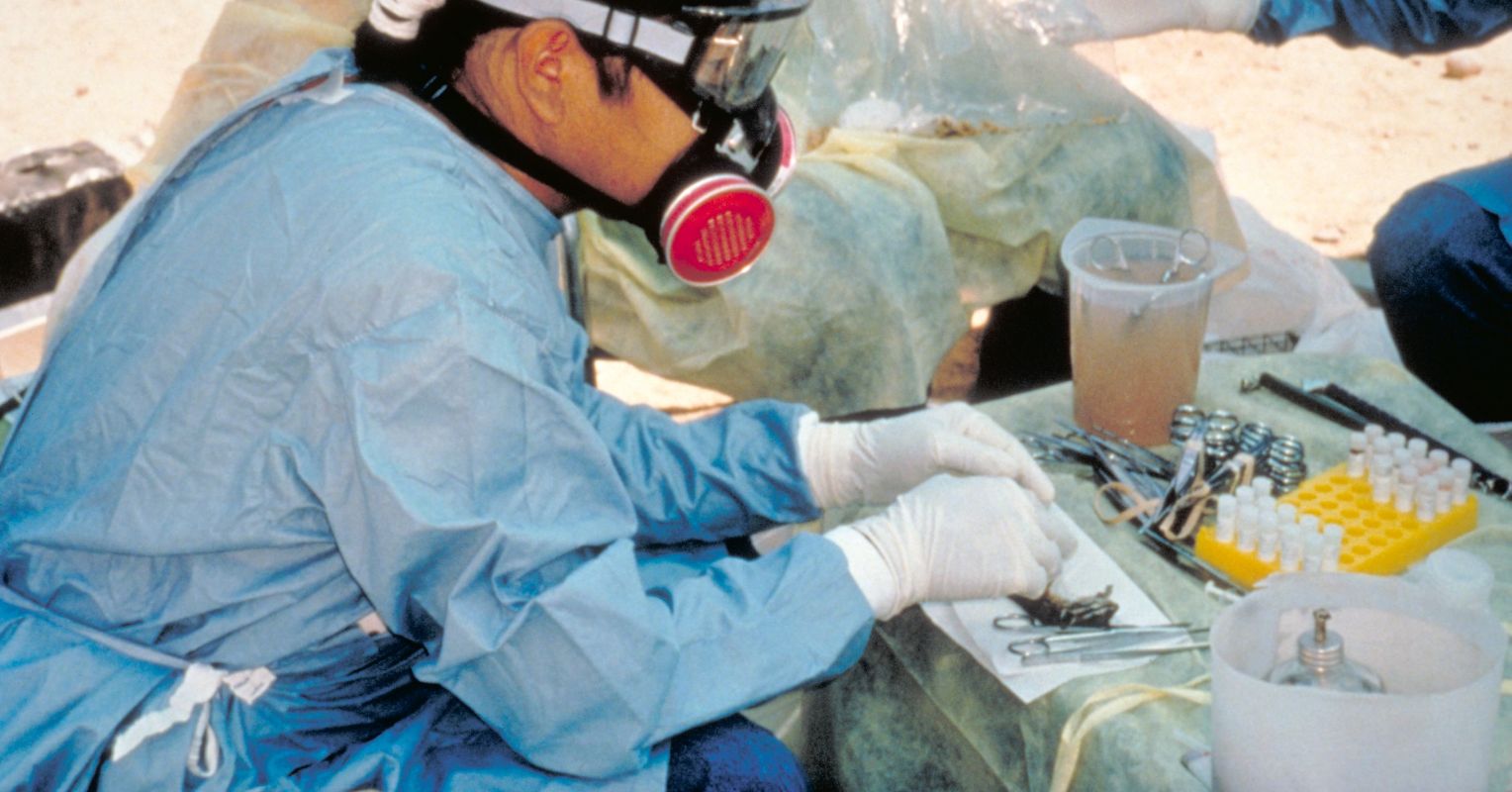
A recent outbreak of the Andean virus strain of hantavirus on the cruise ship M/V Hondius has received extensive media coverage and public debate. The public debate is divided into familiar camps. Some warn that health authorities are overreacting and preparing for more lockdowns and quarantines. Others argue the opposite, arguing that agencies are underestimating the risk of airborne transmission and not enforcing strict enough controls.
There is no nuance in either reaction. The key issue is whether hantavirus should be labeled the “next pandemic” and not whether public health authorities are adequately preparing the public for what to do now and how to act when our evidence changes.
Obligations of health authorities
Health authorities are responsible for providing practical answers even before the science is fully established. People want answers to questions like: Am I in danger from a family member? Do I have to wear a mask? Is it safe to travel? What precautions are worth taking?
At the same time, health professionals need to show humility. They should be transparent enough about what we know, what we suspect, and what remains unclear. Outbreaks of rare infectious diseases reveal the reliability of our knowledge and make us question our assumptions. Hantavirus is a perfect example of this.
What we know and don’t know about Hantavirus
Some aspects of hantavirus transmission seem relatively clear. This strain of the virus is believed to be spread mainly by inhalation of virus particles associated with rodent urine, faeces and saliva. In addition, it can be transmitted from one person to another. Severe disease usually affects the lungs. The incubation period can be extended, from 4 to 42 days, an average of 18 days. Mortality rates are high.
It is not clear how efficiently the virus spreads from an infected person to another person and under what conditions it spreads. We do not have absolute certainty about these issues because outbreaks involving hantavirus are rare and difficult to study. Much of the evidence comes from retrospective outbreak investigations, in which researchers interview patients and reconstruct chains of transmission after the fact. These methods are important and useful, but they also have major limitations. People forget details, some exposures are missed, mild or asymptomatic infections may go undetected, and environmental exposure cannot be completely ruled out.
As a result, several important questions remain unresolved for hantavirus.
How long does transmission take place before symptoms appear? Are people with mild symptoms contagious? Is transmission only through physical contact or through virus particles breathed in by infected people? If it is airborne, can it spread meaningfully over long distances? Does transmission require close and long-term contact, or can it occur after shorter exposures?
Why a temporary instruction can cause communication breakdown
The current CDC interim guidance reflects this uncertainty in subtle but important ways. The guidelines state that exposure is broad, including being about six feet away from a symptomatic person in an enclosed space for at least 15 minutes, while acknowledging that “these limits are not absolute.” It recommends minimizing close interactions with high-risk contacts, improving ventilation and wearing a “well-fitting respirator or mask” when at home with others.
This is where mass communication often breaks down. The public is very willing to make clear categories (e.g. airborne or not airborne, safe or unsafe, quarantined or not quarantined) and people with a lot of higher education but no experience with hantavirus to present it on TV. social networks. Those of us who have spent our lives investigating outbreaks and controlling infections know that we have to be careful what we say.
For example, during COVIDAlthough we know that respiratory viruses can spread sometimes short distances and sometimes long distances depending on ventilation, humidity, symptoms, and the amount of airborne virus, the public discourse has fallen into the trap of semantic arguments about the word “airborne.”
With hantavirus, we know that it can be transmitted to humans by breathing in viral particles. Therefore, it is wise to recommend a high-quality respirator, such as an N95 respirator, to anyone who is around a person infected with hantavirus. We also know that weeks can pass between a person being sick and becoming sick, and that close and continuous exposure to the virus carries the highest risk, which is why the outbreak happened on a cruise ship. Therefore, it is reasonable to ask people who have been exposed to hantavirus to limit crowded indoor noises for 42 days after their exposure. Although we don’t know how far a person infected with hantavirus can spread particles through the air, we can still use six feet as a practical limit, while recognizing that this is not a hard and fast biological law.
Practical recommendations for the public
Here are some lessons for the public.
First, follow the health guidelines, but also understand that it will change. Changing recommendations does not mean that experts are incompetent or lying. Often, they reflect new evidence and thinking in a rapidly evolving situation.
Second, focus more on layered defenses than arguments over terminology. Improving ventilation, avoiding prolonged exposure to sick people, wearing a high-quality respirator in high-risk situations, and staying home when sick remain reasonable precautions for many respiratory infections, even if the precise mechanics of transmission are still being studied.
Third, resist the extremes you hear on social media. Our brains wrestle with how to manage risks that have a low probability of occurring but, if they do, have high consequences. Some to crashonly imagining worst case scenarios. Others minimize risk, perhaps because admitting uncertainty feels psychologically uncomfortable.
So far, the hantavirus outbreak remains small, and for all we know, it’s unlikely that the virus will cause a global pandemic. At the same time, healthcare professionals are learning more every day, and we all need to be ready to adapt.


