Strong social skills can make a big difference in almost every area of life. From friendships and family relationships to career opportunities and personal confidence, the ability to connect with others and communicate effectively plays a bigger role in success and happiness than most people realize.
The good news is that social skills aren’t something you either have or don’t have. They can be learned, practiced and improved over time. Even small changes in the way you interact, listen, respond, and communicate with others can strengthen relationships and help you feel more confident in social situations.
Many people struggle with social confidence at some point in life. You may feel awkward starting conversations, nervous in group settings, or unsure of how to make deeper connections. But with practice and self-awareness, these challenges can gradually become easier to manage.
Developing strong social skills can open the door to more meaningful relationships, better teamwork, improved communication, and greater personal and professional opportunities. The more comfortable and confident you are around others, the more fulfilling your relationships will be.
In this article, you’ll discover important social skills that will help you improve your relationships, communication, and overall quality of life. Also, don’t forget to download the free Self-Discovery worksheets at the end of the post to help you better understand yourself and continue to grow personally and socially.
What are these social skills anyway?
Various sources list several social skills needed to get along well with others in a variety of social settings. The top five include:
Some people may find learning skills that help them interact in social situations.
This is often the case for people who did not move in social groups as children, as well as those on the social anxiety and autism spectrum.
Worksheets are a great tool for learning social skills.
Today we have collected the best printables social skills worksheets to begin with developing and mastering the art of communicating with others in a social setting.
1. Improving interpersonal communication skills
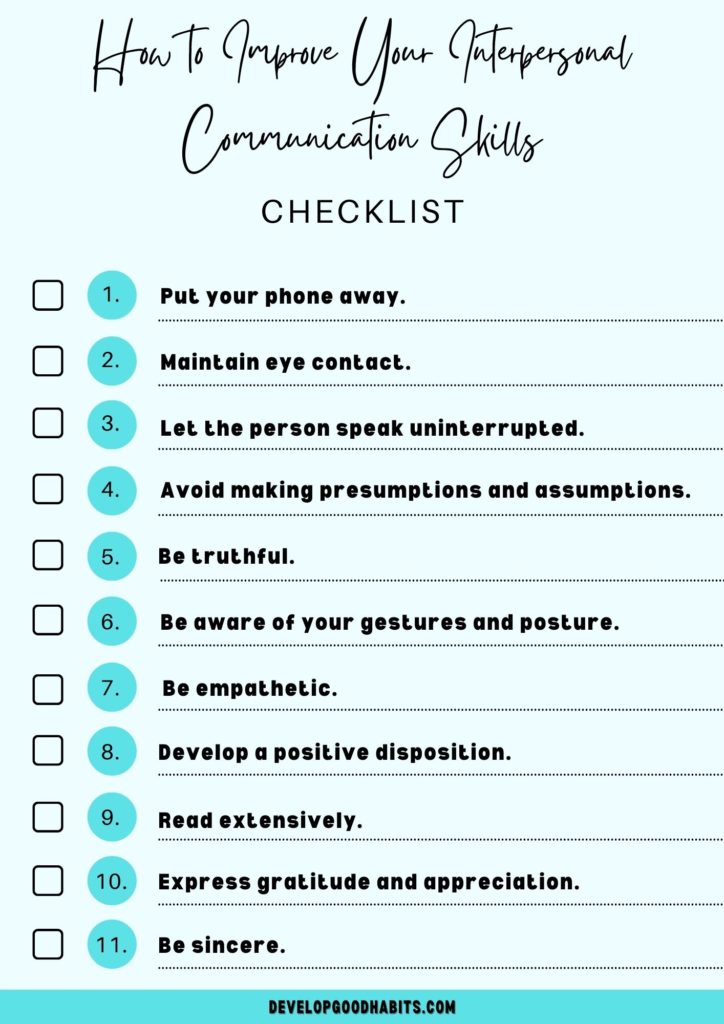
Looking for a quick reference on how to improve yourself? interpersonal communication skills? We’ve created this checklist to help you with any social situation. This checklist includes 10 key actions that will not only show others that you have good manners, but will also help in the following ways:
2. Study of social anxiety
According to Mental Health America15 million American adults suffer from social anxiety disorder. This worksheet provides an opportunity to explore your experiences with social anxiety. If you decide to enter therapy for this condition, it will serve as a reference point for setting goals and treatment plans.
3. Social Skills Role Playing Cards
One of the best ways to improve your social skills is through regular practice. Role playing is a creative way to put what you have learned into practice.
This can be done in class or at home with someone you trust.
The worksheet above provides role play instructions for practicing character traits that are often expected during social interactions.
Each card has a character trait and a brief description of the situation in which that trait should be evident.
4. Reliability Guidelines Worksheet
This worksheet will help you be more assertive in order to hear your feelings and needs without turning away in anger or recognition.
If you’re constantly losing control of your emotions, it could be a sign of anger issues. You might want to check these out anger management worksheets for more information on how to deal with anger problems.
5. Conflict Resolution Worksheet
Conflict resolution is essential to maintain a good relationship. This worksheet is your guide to resolving or reducing conflict using the GIVE method:
G– Soft
I – It’s interesting
V – Confirmation
E – Easy style
6. Stop, think and act
Here is a collection of worksheets to help users learn the valuable skill of impulse control. Primarily designed for children, these worksheets are also useful for adults and young people who need guidance on:
7. Social etiquette worksheet
Most of us are so immersed in screen time these days that it’s easy to forget that there are different rules for interacting with people face-to-face. Although originally intended for children, this infographic also works well for teens and adults who need a reminder of basic etiquette in social situations.
8. There is nothing small about “small talk.”
This worksheet beneficial for those suffering from social anxiety. They can practice their conversational skills with the tips provided.
The worksheet contains strategies for navigating conversations in a variety of social settings. It also includes the task of giving users more opportunities to practice the conversational skills they are learning.
9. “Thinking about your feelings” game
This worksheet serves as a fur for a game that encourages users to think about their feelings.
The game itself is an opportunity to express your feelings (for example, what was the last time you felt a certain emotion?).
When you play alone, you can record your thoughts in your journal. It’s also a chance to share your thoughts with others while someone plays the game with you.
10. Self-Concept Happiness Assessment Worksheet
Self-awareness is an important social skill. It helps us develop self-confidence, which in turn makes us better communicators.
This worksheet is designed to give you a clear picture of your personality. This will help you to correctly interpret and master your feelings.
By learning to manage your emotions with this worksheet, you will develop better relationships with yourself and others.
11. Empathy Workbook
Empathy is not only sharing the same feelings with other people, but also knowing the feelings of others. In addition, he is sensitive and understanding of other people’s experiences, feelings and thoughts.
The phrase “putting yourself in the other person’s shoes” describes empathy well.
Empathy is a valuable social skill, given that it allows you to be present for others. This shows that you really care about them.
This workbook contains essential information to help you develop empathy through thinking questions and helpful tips for putting what you’ve learned into practice.
12. Social story worksheets
This print collection of social stories designed to help users manage social interactions in a variety of settings, teach appropriate behavior, and provide social skills for special events. Designed primarily for children with autism, these worksheets are also a great resource for those looking for a well-written guide to social and life skills.
Each social story includes real photos of different characters to help illustrate the concepts.
Some topics include:
13. Speech outline template
Public speaking is one of the most important social skills the leader can own. Through this skill, you can reach out to other people and attract them to your cause.
This template will help you organize your speech so that you can get your point across and keep your audience interested in what you have to say. Outline works when you’re talking to your audience face-to-face or connecting with them via a Zoom call or recorded video.
Free Download: Self-Discovery, Self-Reflection Worksheets
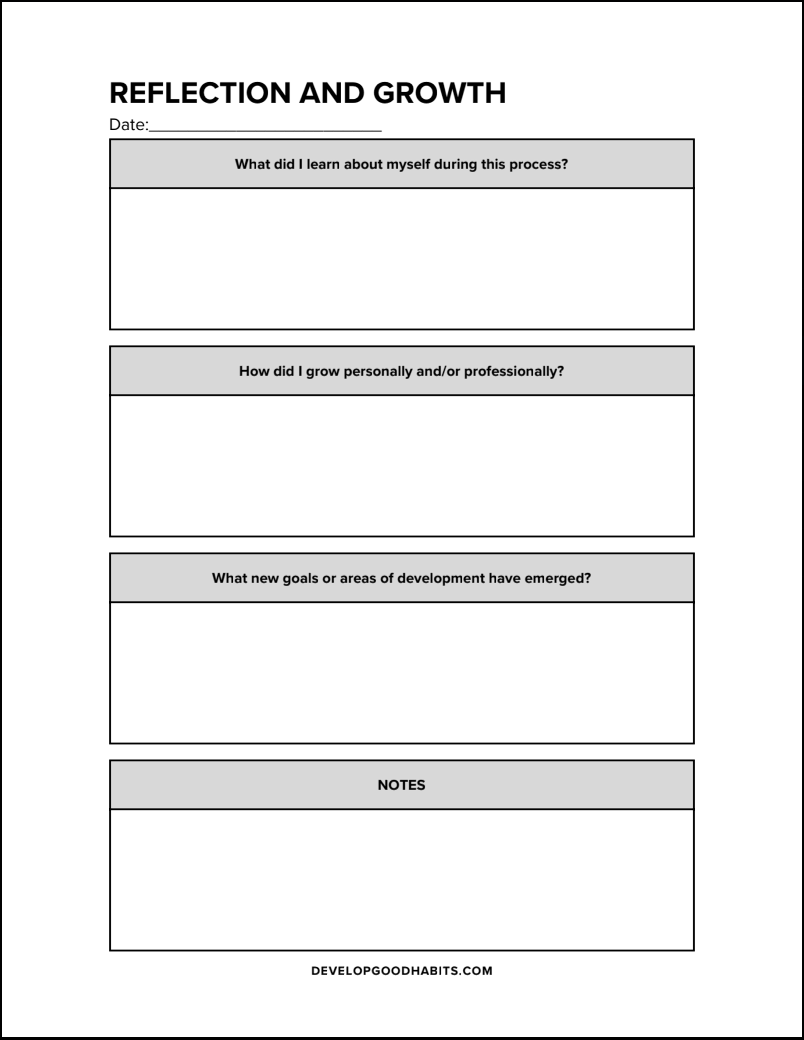
These self-reflection worksheets for self-discovery are designed to help you explore your thoughts, behaviors, strengths, and communication styles with greater awareness. They provide guided exercises that encourage personal growth, self-confidence and strong interpersonal skills.
Download the worksheets and start building self-awareness and stronger social connections today.
(The link will open a Google Drive folder where you can download the PDF in different sizes: A4 and US Letter.)
Final Thoughts on Social Skills Worksheets
In conclusion, social skills are the best way to build strong relationships with others and live life to the fullest.
While developing social skills is easy for most, some find it difficult.
Social skills worksheets are a useful tool for learning and practicing the skills needed to interact with others in social situations.
We hope you found the worksheets in today’s list useful.
If you’re looking for more resources, you can check out a few posts here: