
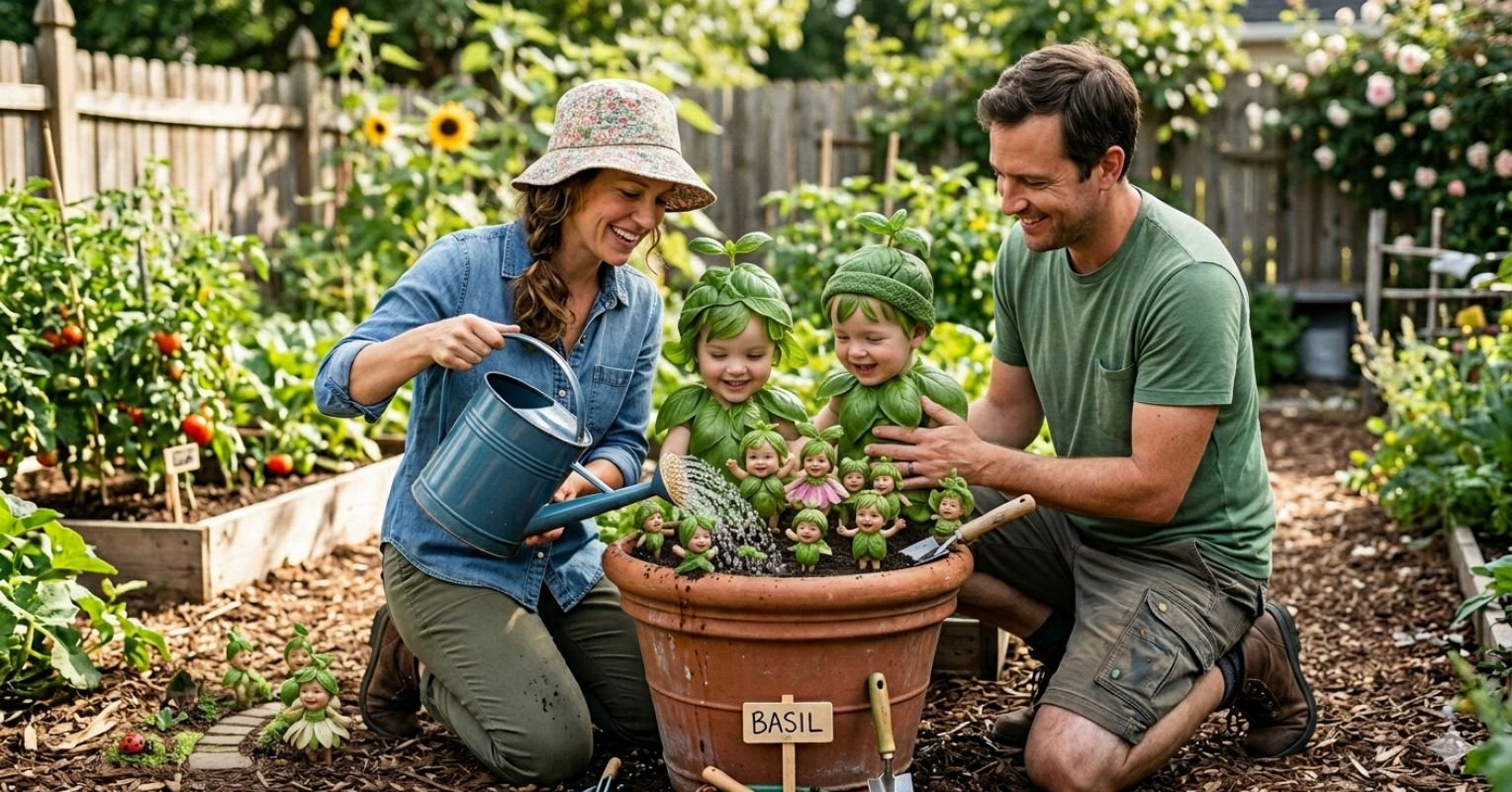

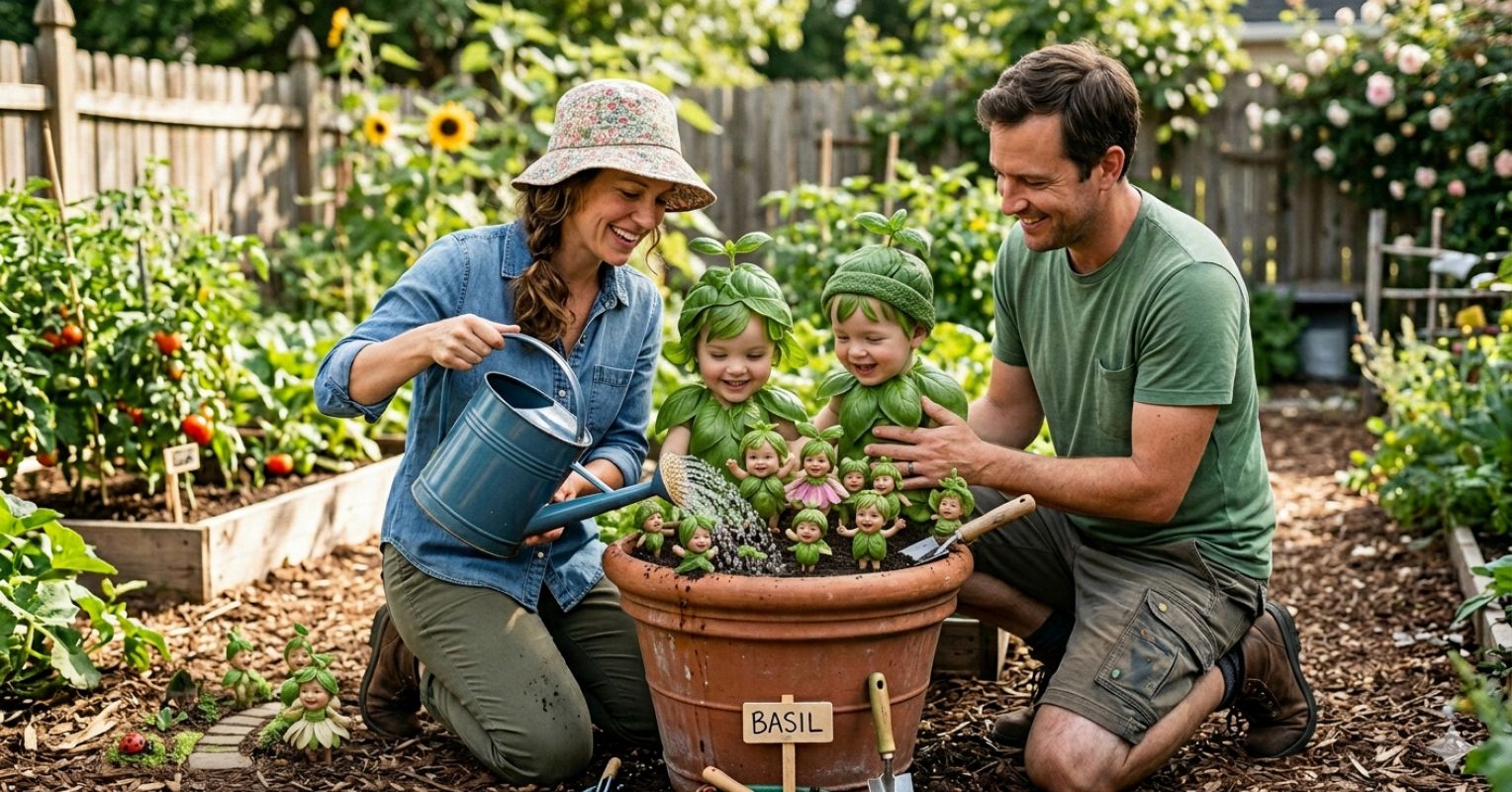
I am a parent. I love being a parent. I grow basil. I love making pesto.
Every year around March or so, as winter begins to fade and spring is around the corner, I plant a new batch of basil. I can’t wait to grow it from seed, so I’ll start with baby plants. I have a big pot, I plant three or four plants. I drag the pot to where the basil gets full sun and enjoy watering it.
In fact, I really like watering basil. I keep a watering can on the patio and water the basil in the morning. I also have a plastic spray bottle. I like to spray basil leaves with water in the afternoon. The water beads on the leaves, they glisten in the sun, and I love the sound of the spritzer.
This is a meditative moment for me. My mind wanders away from any work and I take a moment to just focus on the basil. Placing the pot in the sun gives it the light it needs to grow, but it’s kind of passive. Watering it is something I can actively do and I know it needs water to thrive.
My basil didn’t do so well this year. It felt weak and vulnerable. Bright green leaves turned yellow. The stems have dried up. I moved the pot to get more sun. I gave him more water in the morning. I started spraying the leaves more often, several times every afternoon. But nothing helped. White mold started to appear at the base of each plant. So I did what any gardener would do in this situation. I googled “why is white mold growing on my basil plant”. And I found out I overwatered the basil.
I felt bad. I just wanted to help my basil grow. I wanted to raise him. I was the only one who could count on this help. But it turns out that I did too much. I tried really hard. I had to step back.
That’s why I started watering it less. At first, rinse once in the morning and once in the afternoon. But soon I realized that I was doing too much. I had to take a bigger step back. So I put the sprinkler on and watered only in the morning.
And then I realized that I had to take an even bigger step. So one morning I watered it and waited. I waited until the soil dried. These days will last. It was scary for me. If the soil is dry, then there was not enough water for the basil. Would my basil die of thirst? I experienced plants worry.
After three days, after the soil had dried out, I felt it was safe to water it again. And in the interval, basil responded well. He started to stand up again. The Leafs, which had looked weak and frail before, now seemed to have regained their mojo. Basil seemed to thrive instead of dying of thirst.
So I waited another three days until the soil dried up again. And it continued to work. I thought I would starve him, but he was getting stronger. Eventually, my basil became full and healthy again, once I found a watering schedule that gave it just the right amount of what it needed. And it turned out that basil was needed to work for water. It needed it stress Instead of pouring directly on it, you need to reach deep into the pot for the last bits of water.
Due to this stress and movement, the plant could grow. If I gave him everything he needed, he wouldn’t have to work for it.
what is this parenthood is like Your children need your water in the form of guidance and support. But if you water them too much, they will never have to learn to feed themselves.
Essential reading for parents
Ironically, we want to give them all the guidance and support we can, but it’s usually more than they need. It’s hard to pull back and stop the water that we think allows them to thrive, but by working to get the water they already have, they grow straight and strong.


